Retina Glaucoma Center & Superspecialty Eye Hospital › Services › GDD Surgery (Glaucoma Drainage Devices)
Panretinal Photocoagulation (PRP) is a type of laser treatment for the eye. It is used in people who have developed new abnormal blood vessels at the back of the eye in the retina or in the drainage system within the eyeball.
Our specialists are available 6 days a week for in-person and virtual consultations.
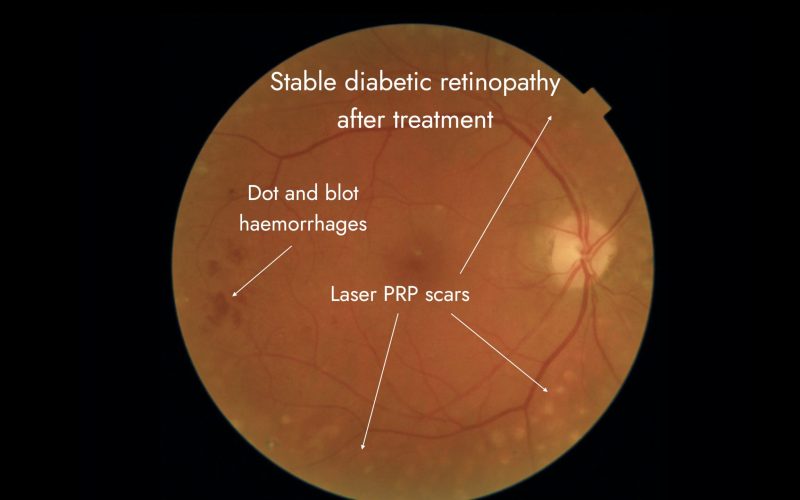
When the retina is starved of oxygen — as happens in advanced diabetic retinopathy or certain other retinal conditions — it responds by triggering the growth of new, abnormal blood vessels. These vessels are fragile, unpredictable, and dangerous. They bleed easily, they can lead to tractional retinal detachment, and they can cause blindness. PRP Laser treatment destroys the oxygen-deprived areas of the retina that are driving this dangerous vessel growth — stopping the process before it causes irreversible harm.
PRP — Panretinal Photocoagulation — is a laser treatment in which hundreds of small laser burns are applied across the peripheral retina, sparing the central macula. By destroying the ischaemic peripheral retinal tissue — tissue that is not receiving adequate blood supply — the laser removes the signal that is driving the growth of abnormal new vessels. Over the following weeks, the existing abnormal vessels begin to shrink and regress, significantly reducing the risk of bleeding and further vision-threatening complications.
Eye drops fully dilate your pupils so the laser can reach all areas of the peripheral retina safely and effectively.
Numbing drops are applied. In some cases, a small injection of local anaesthetic around the eye is given for greater comfort during an extensive treatment session.
A contact lens is placed on the eye and the laser is applied in a series of spots across the peripheral retina. You will see repeated flashes of bright light. The treatment is typically delivered over one to three sessions depending on the extent of treatment needed.
Each session takes 20 to 40 minutes. You can go home afterward, though you should arrange transport as your vision will be blurred from the dilating drops.
Your peripheral vision and night vision may be somewhat reduced after PRP — this is an expected and accepted trade-off to preserve your central vision. Some aching and light sensitivity are normal for a day or two. Follow-up appointments are essential to monitor the response of the new vessels and determine whether additional laser treatment is needed.
Need eye care? Contact us today.
East side of BRB Hospital, 57/E Panthapath, Dhaka-1215
Call Now