Retina Glaucoma Center & Superspecialty Eye Hospital › Services › Strabismus (Squint)
Strabismus (Squint) is a condition in which the eyes are not properly aligned and point in different directions. Early diagnosis and treatment can improve eye alignment, vision, and depth perception in both children and adults.
Our specialists are available 6 days a week for in-person and virtual consultations.
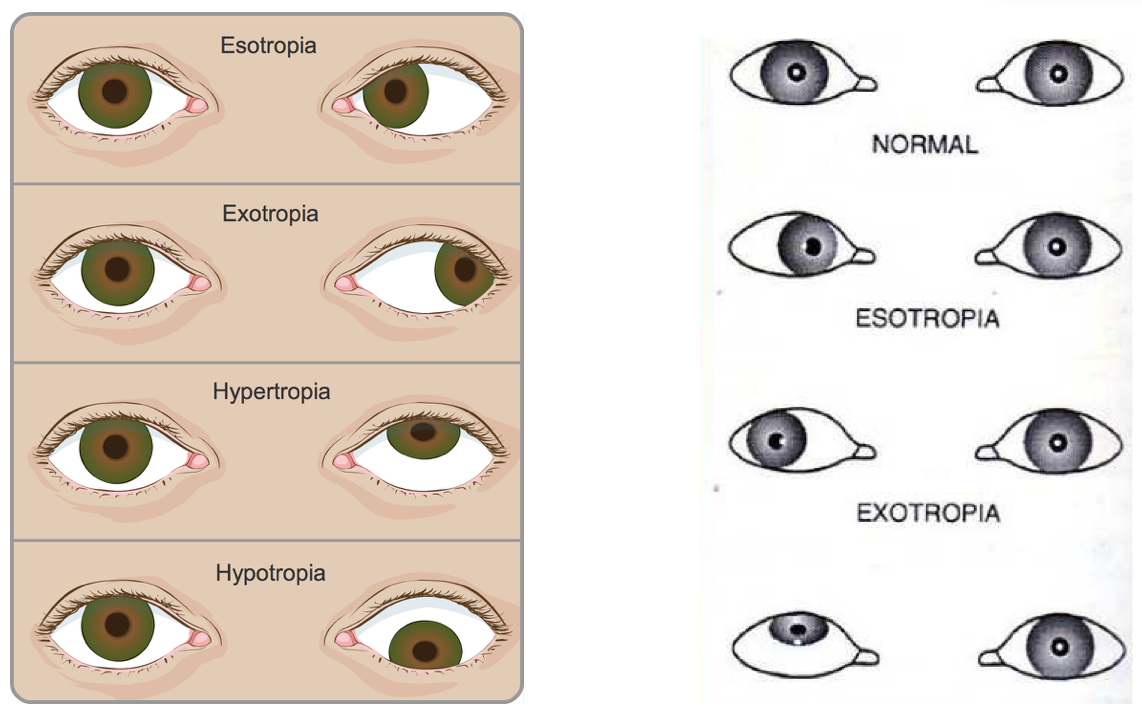
Strabismus — commonly known as a squint — is a condition in which the eyes do not point in the same direction at the same time. One eye may turn inward, outward, upward, or downward while the other looks straight ahead. In children, it can lead to amblyopia — permanent reduction in vision in the turned eye — if not treated promptly. In adults, it can cause double vision and significant problems with appearance and confidence. At RGC Eye Hospital, our strabismus specialists treat both children and adults with the expertise and care this condition demands.
Strabismus occurs when the muscles that control eye movement are not working together correctly. In children, this is often related to a refractive error — particularly long-sightedness — or to a difference in vision between the two eyes. In adults, it may develop as a result of a nerve palsy, thyroid eye disease, trauma, or neurological conditions. In some patients, the cause remains unclear. Regardless of the cause, early and accurate diagnosis is essential for the best outcome.
In children whose squint is driven by a refractive error — particularly long-sightedness — glasses alone may correct the misalignment entirely or significantly. This is always the first step when a refractive component is identified.
If amblyopia has developed in the turned eye, patching the stronger eye forces the weaker eye to work and can significantly improve its vision before surgical correction is considered.
In selected cases, an injection of botulinum toxin into one of the eye muscles can temporarily weaken it and allow the eyes to straighten. This can be a useful treatment in its own right or a way of assessing the likely outcome of surgical correction.
Surgery to correct the alignment of the eyes involves adjusting the tension of the eye muscles — weakening some and strengthening others — to bring the eyes into the correct position. It is performed under general anaesthesia in children and under local or general anaesthesia in adults, and is a day procedure in most cases.
Need eye care? Contact us today.
East side of BRB Hospital, 57/E Panthapath, Dhaka-1215
Call Now