Retina Glaucoma Center & Superspecialty Eye Hospital › Services › ROP Screening
ROP Screening is a specialized eye examination for premature and low-birth-weight babies to detect Retinopathy of Prematurity (ROP) at an early stage. Early diagnosis and timely treatment can help prevent vision loss and protect your baby’s eyesight.
Our specialists are available 6 days a week for in-person and virtual consultations.
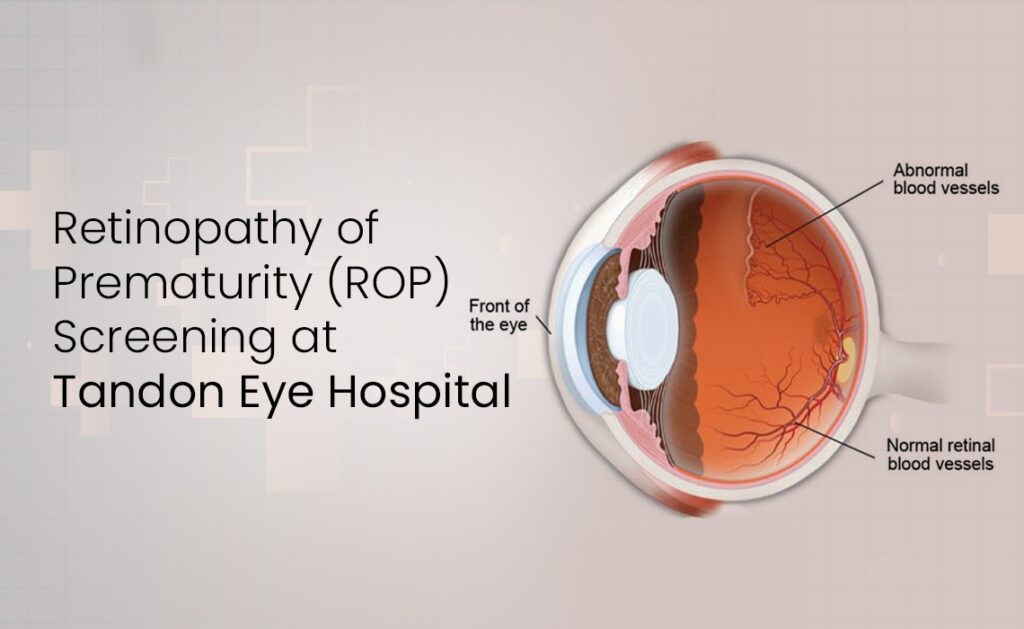
Retinopathy of Prematurity — ROP — is a potentially blinding eye disease that affects premature babies. When a baby is born too early, the blood vessels of the retina have not yet finished developing, and the abnormal environment outside the womb can cause these vessels to grow incorrectly — sometimes in ways that can damage the retina and destroy vision permanently. ROP Screening identifies affected babies early, when treatment can still prevent the worst outcomes. At RGC Eye Hospital, we take this responsibility with the utmost seriousness.
ROP is an abnormal development of the retinal blood vessels in premature infants. In the womb, the retinal blood vessels grow from the centre of the retina outward, completing their development around the time of full-term birth. In premature babies, this process is interrupted. After birth, the incomplete blood vessel development can go wrong — with abnormal, fragile new vessels growing in the wrong places. In severe cases, these vessels can bleed, scar, and ultimately pull the retina away from the back of the eye, causing permanent blindness.
Dilating eye drops are applied to the baby’s eyes to widen the pupils. The drops used are specially chosen to be safe for use in premature infants.
An ophthalmologist trained in ROP screening examines the retina of each eye using an indirect ophthalmoscope and a small scleral depressor to visualise the peripheral retina. The examination is brief but thorough, and the baby is held securely and comfortably throughout.
The findings are classified according to the international ROP classification system — assessing the zone of involvement, the stage of disease, and the presence of plus disease (indicating active, aggressive disease requiring urgent treatment).
Babies with mild ROP are monitored with repeated screening examinations at intervals determined by the findings. Babies with significant ROP that meets treatment criteria are offered laser treatment or intravitreal injection therapy promptly to prevent progression to retinal detachment.
Need eye care? Contact us today.
East side of BRB Hospital, 57/E Panthapath, Dhaka-1215
Call Now