
Retina Glaucoma Center & Superspecialty Eye Hospital › Services › Uvea
The uvea is the middle layer of the eye, made up of the iris, ciliary body, and choroid. It supplies blood and nutrients to the eye and helps control the amount of light entering the eye, focus, and overall eye health. Problems affecting the uvea, such as inflammation (uveitis), can lead to vision loss if not treated promptly.
Our specialists are available 6 days a week for in-person and virtual consultations.
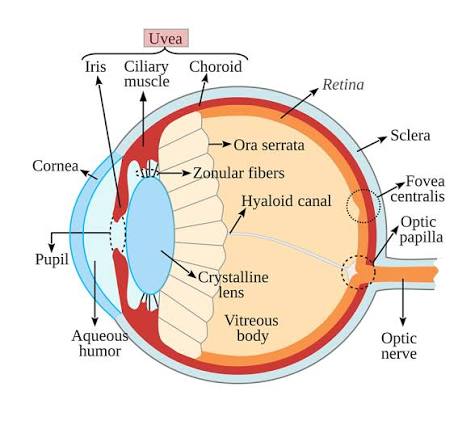
The uvea is the middle layer of the eye — a richly vascularised structure that includes the iris, the ciliary body, and the choroid. When any part of the uvea becomes inflamed, the condition is called uveitis. It can be painful, vision-threatening, and — if not managed correctly — can lead to serious and permanent complications including cataract, glaucoma, and even blindness. At RGC Eye Hospital, our uveitis specialists provide expert diagnosis and management of this complex and often challenging condition.
Uveitis is inflammation of the uveal tract — the vascular middle layer of the eye. It can affect the front of the eye (anterior uveitis or iritis), the middle (intermediate uveitis), the back (posterior uveitis), or the entire uveal tract (panuveitis). The inflammation can be caused by infection, autoimmune disease, systemic inflammatory conditions, or it may have no identifiable cause. Regardless of the origin, prompt and appropriate treatment is essential to control the inflammation, relieve symptoms, and protect vision.
Diagnosing uveitis correctly requires a careful and detailed examination of all structures within the eye, combined with a thorough review of your general health, current medications, and any associated systemic conditions. Blood tests and imaging may be needed to identify an underlying cause.
Uveitis can be associated with a wide range of systemic diseases including rheumatoid arthritis, ankylosing spondylitis, sarcoidosis, tuberculosis, and toxoplasmosis among many others. Identifying and treating the underlying cause — where one exists — is an essential part of managing the eye condition effectively.
The mainstay of uveitis treatment is steroid eye drops, which reduce the inflammation inside the eye. Depending on the type and severity of uveitis, additional treatments may include dilating drops, steroid injections around or inside the eye, oral medications, or immunosuppressive therapy for chronic or recurrent cases.
Uveitis can recur, and its complications — including cataract, glaucoma, and macular oedema — require ongoing vigilance. We schedule regular follow-up appointments to monitor your eye carefully and intervene promptly if any complications begin to develop.
Need eye care? Contact us today.
East side of BRB Hospital, 57/E Panthapath, Dhaka-1215
Call Now